Preserving Illustrated Heritage
From the little free library to the public domain: a digital archeology
At a Glance
Rescuing a 1907 encyclopedic dictionary destined for destruction to turn it into a high-definition, royalty-free graphic resource. A process combining paper surgery, frugal digitization, and historical investigation to reattribute forgotten works.
The Intention: Saving to Transmit
This project began with a chance encounter in a little free library during a trip between Le Mans and Sablé-sur-Sarthe. I discovered volumes of the Larousse pour tous illustré, published between 1907 and 1910 (Source: Gallica/BNF).
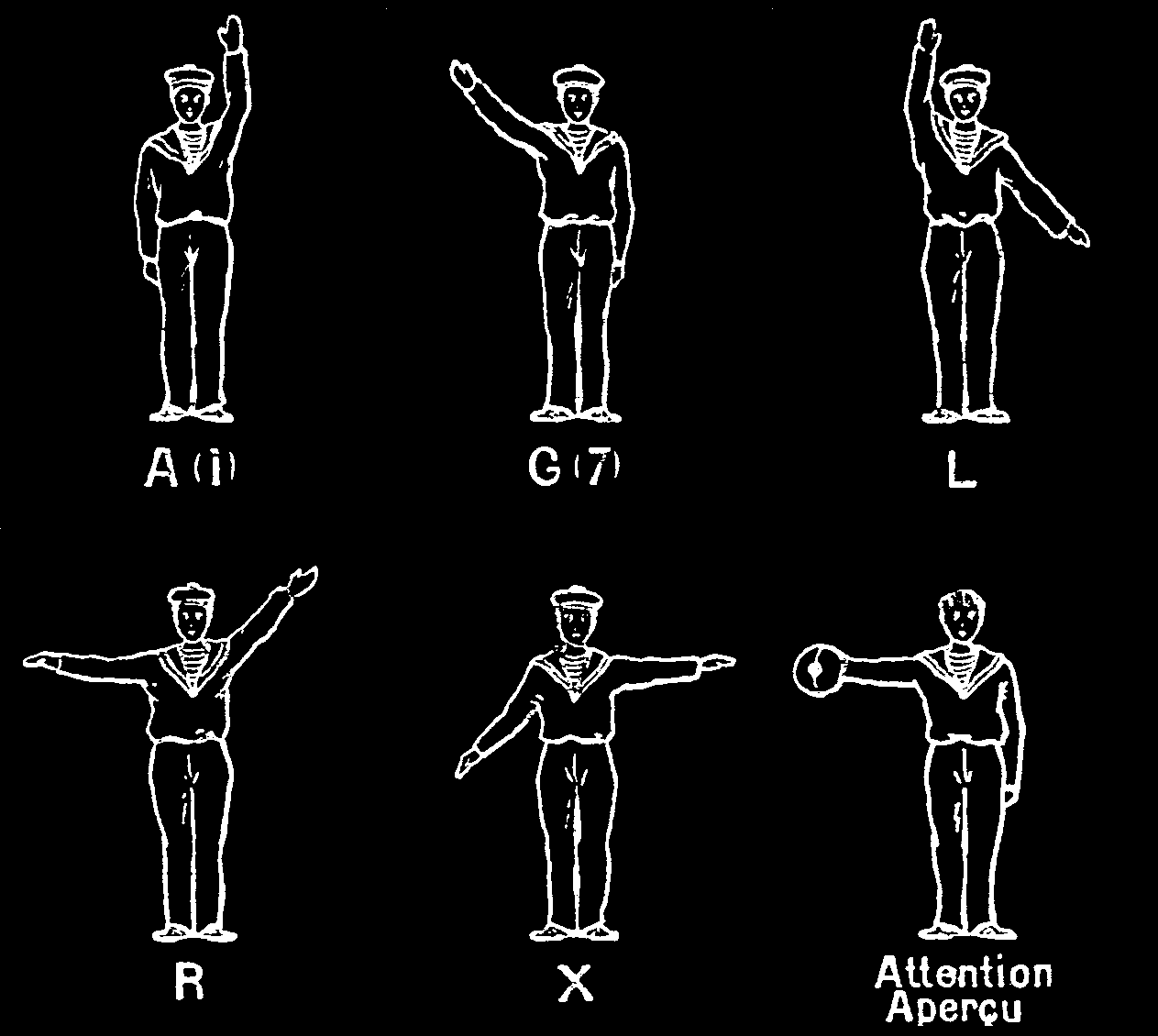
Like many such works produced between the 18th and early 20th centuries, one of its goals was to make knowledge accessible to as many people as possible. In the spirit of this project—and with the right material conditions met (workspace, available time, and almost zero budget)—I set myself a challenge in August 2025: to digitize the full-page plates of a dictionary from the beginning of the last century.
My goal: to create an archive, share it, and return to the “Commons” what rightfully belongs to it (the works being in the public domain, as the authors passed away over 70 years ago according to French law).
The Process & Resources
1. Paper Surgery and Frugal Digitization
Although the bindings of this work were in an advanced state of disintegration, the pages themselves were relatively well-preserved (no severe wrinkling, tearing, or advanced yellowing).
This made it easier to decide to permanently separate the illustration pages from the rest of the binding using a precision scalpel. This “surgery” greatly simplified the digitization process: it allows for perfect flattening and avoids the shadow of the central fold (the gutter).
- Hardware: Domestic scanner (Canon PIXMA TS6350).
- Resolution: 600 DPI (Dots Per Inch) to capture the paper grain and the finesse of the line work.
- Technical constraint: Managing the lack of flatness (due to flexible cardboard paper), which sometimes creates focus blur on the edges.
Once the digitization phase was complete, renaming and conversion were crucial. I opted for two formats: TIFF (heavy, for archiving and digital processing) and PNG (lighter, supporting transparency for future integration).
2. Investigation and Attribution
This project goes beyond scanning: it’s an investigation. It’s about giving a name back to a stroke. By cross-referencing signatures with specialized sources (notably the excellent research work from the Dicopathe website), I learned to distinguish styles:
- The naturalistic rigor of Adolphe Millot (botany/zoology).
- The technical precision of Maurice Dessertenne (industry/objects).
- The lively strokes of Louis Bombled on military subjects.
These artists, often forgotten and drowned in the mass of these encyclopedic works, deserve recognition and valorization.
Results & Capitalization
Deliverables (Outputs)
- [x] Digital Corpus: Bank of 200 to 400 HD images restored, indexed, and reattributed.
- [x] Documentation: Enriched database (metadata) and compliance with licenses (Public Domain).
- [ ] Texture Pack: Extraction of paper grains for graphic use (in progress).
- [ ] Creative Reappropriation: Series of digital collages based on the corpus.
- Note: The creation of a typeface, initially envisioned, is the subject of a separate project.
Skills
Hard Skills
- High-Fidelity Digitization: Mastery of scan parameters (600 DPI, calibration) and batch processing.
- Digital Restoration: Complete workflow including descreening, artifact cleaning, and color correction.
- Heritage OSINT & Law: Advanced research for author reattribution and mastery of legal issues (Creative Commons, Public Domain).
Soft Skills
- Operational Rigor: Maintaining consistent quality when processing hundreds of files.
- Investigative Curiosity: Willingness to go beyond the raw image to uncover the history and author.
- Preservation Ethics: Refusal of excessive modernization to respect the original engraver’s intent.
Related Projects
This documentary collection now serves as a raw base for new digital creations and projects:
- Typography: Extraction of stylized fonts (initials by Eugène Grasset, Dessertenne, and an anonymous artist).

- Motion Design: Digital cutting work (masking) to create micro-animations from static engravings.